Download PDF
AUS AWS Outreach Presentation
Page 1

Turning AWS Usage into Research Capacity

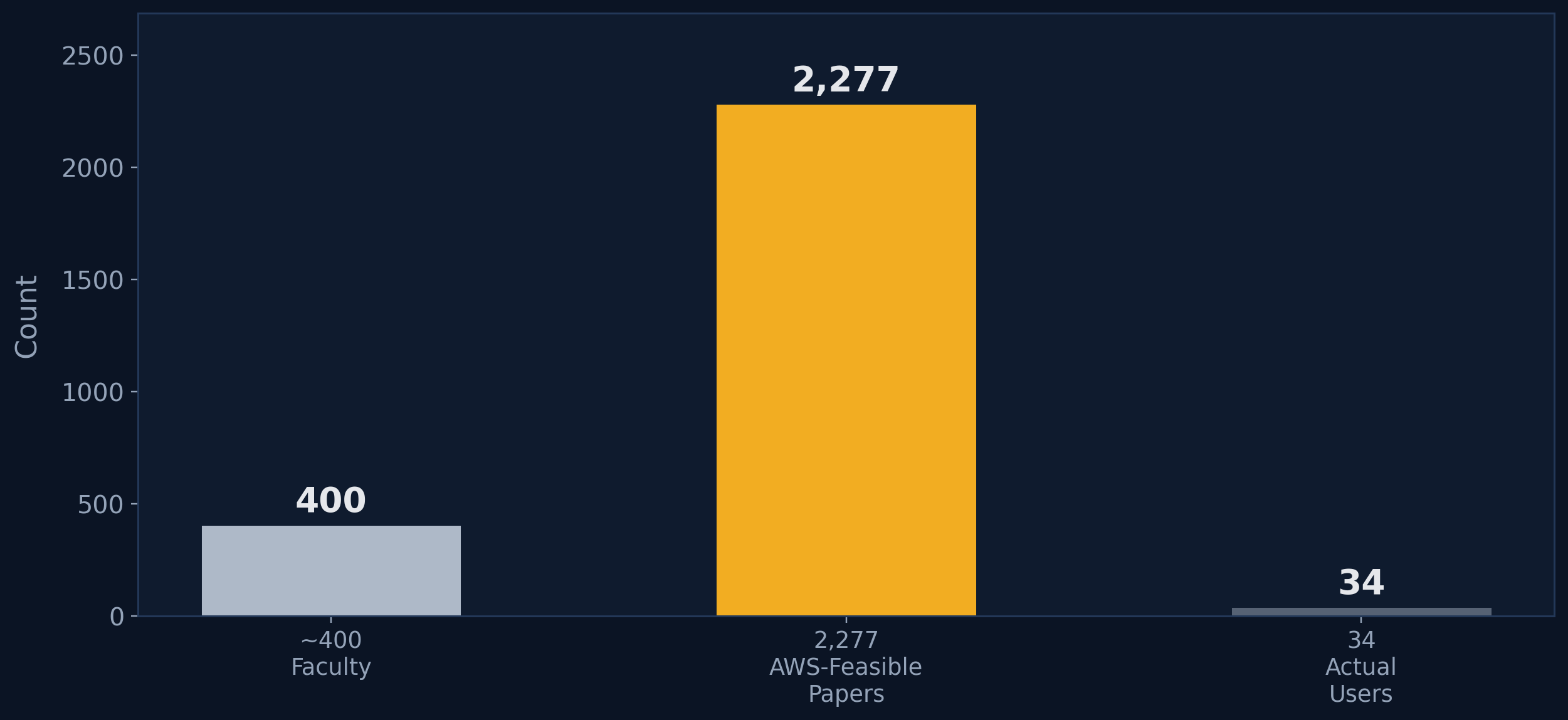
Users34
Faculty~400
Analyzed Publications3,938
AWS-Feasible Papers2,277
Section 1 - Current State
Page 2

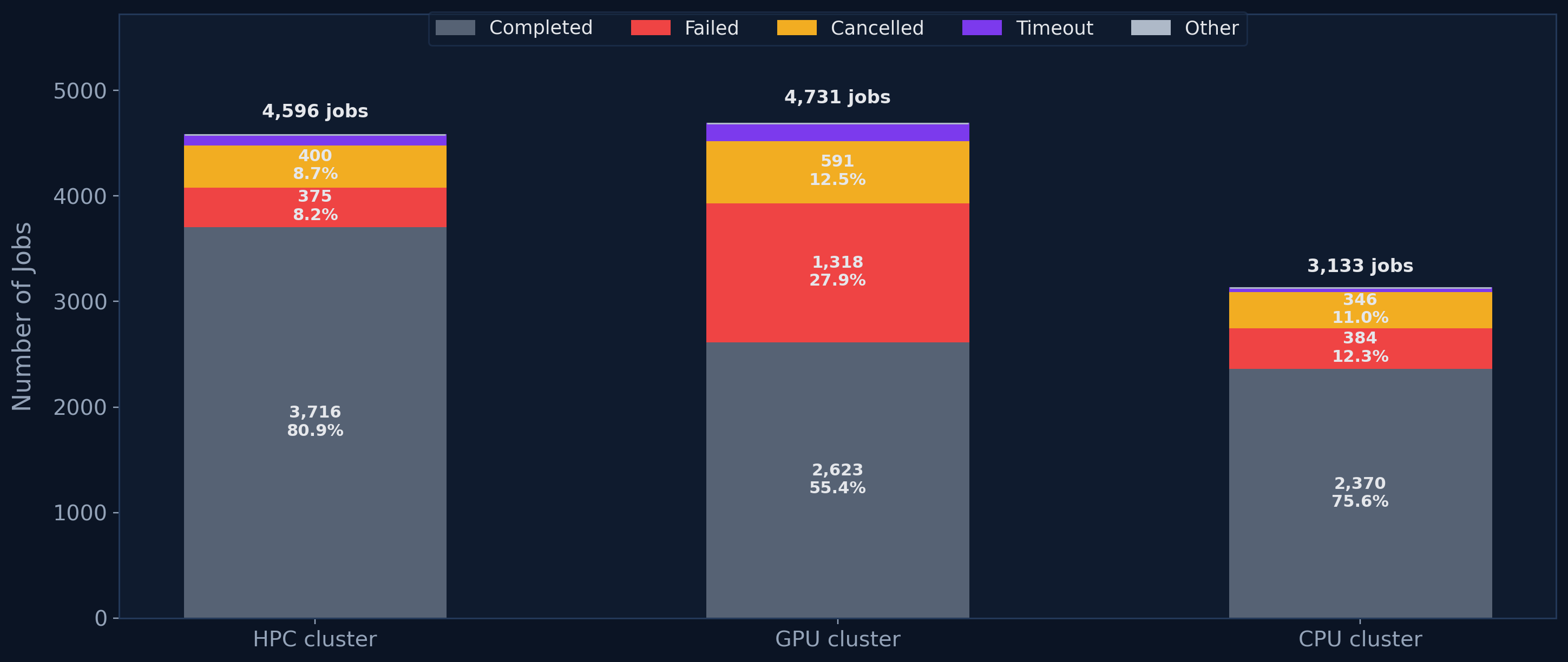
180-day workload outcomes vary by partition

Outcomes and CPU hours show workload quality across partitions over the last 180 days.

Job outcomes by partition
Section 1 - Current State
Page 3

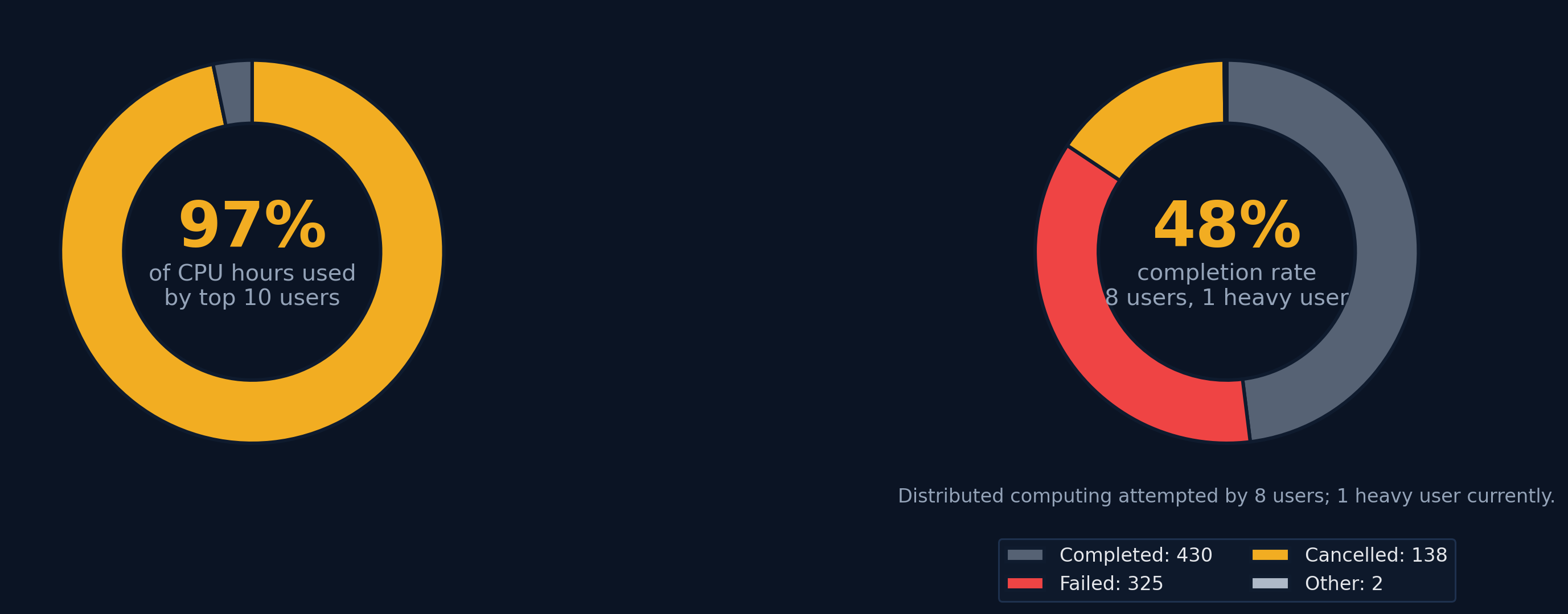
Usage is concentrated among a small user base

User concentration and distributed outcomes
Section 1 - Current State
Page 4

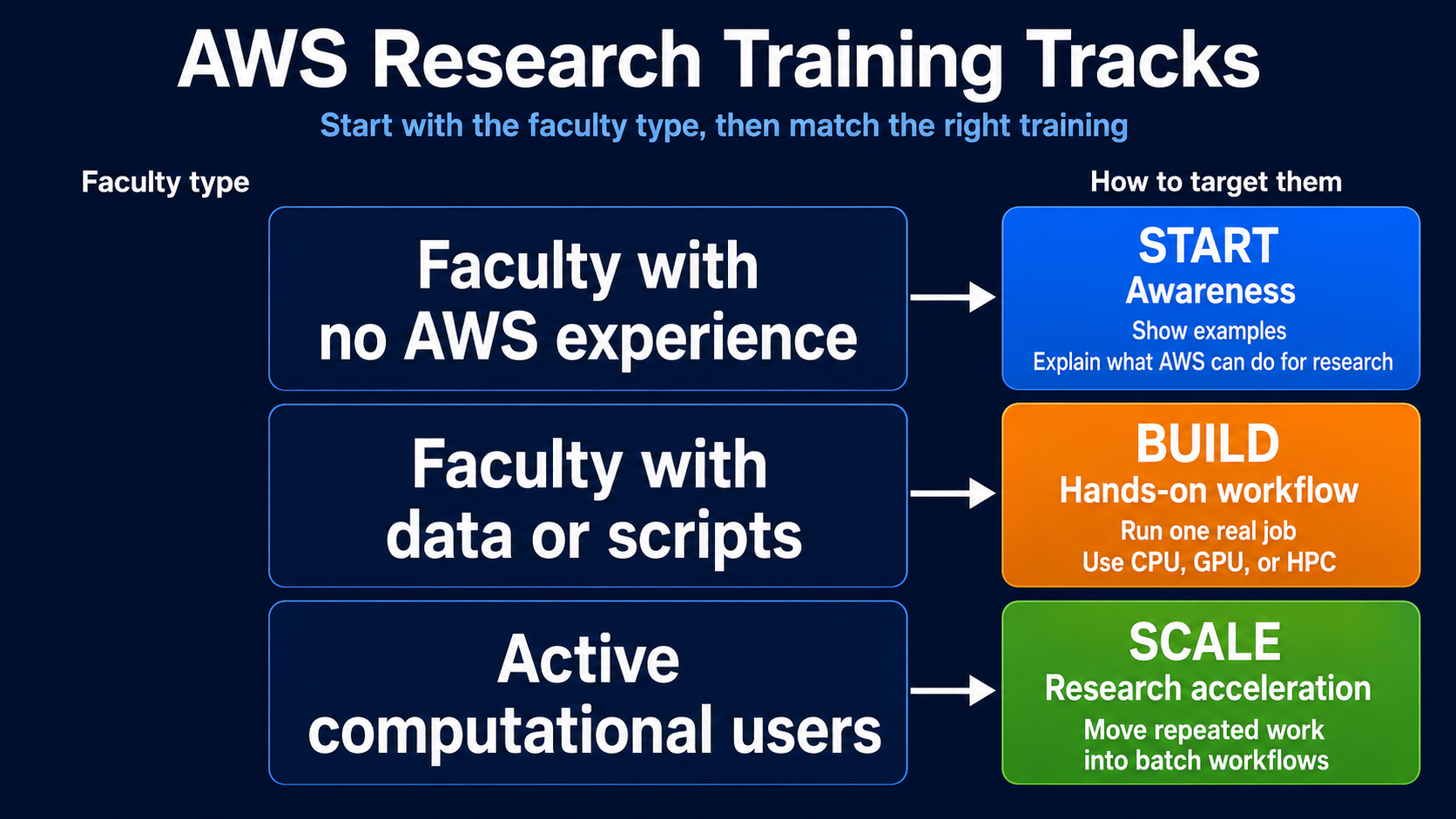
Types of users

Types of users
Section 1 - Current State
Page 5

Difficulties users are facing

  1. DCV feels unnatural to many users because of slow response time plus login and disconnect issues.
  2. Users want to keep working from familiar local tools while harnessing AWS power, for example VS Code. We can also explore Open OnDemand, a custom FastAPI portal on AWS, or App Runner.
  3. The 10-job concurrency limit is restrictive for active users.
  4. AWS instance sizing needs a mid-tier option. The jump from c5.2xlarge to hpc6a.48xlarge feels too large, so an intermediate memory-optimized option could reduce cost and wait time.
  5. SSH and VPN disconnections are the number one daily friction point.
  6. 70 GPU nodes out of 90 are down due to health check failure.
  7. One user complained about the A10 and an old glibc. The current A10 path appears to be on glibc 2.35, so the more likely issue is memory limitation for large-model training and large vision workloads.
  8. Moving files is extremely slow. The /shared path is mounted on NFS and exposed through a local endpoint, so the platform needs a faster working storage layer.
Section 2 - Research Opportunities
Page 6

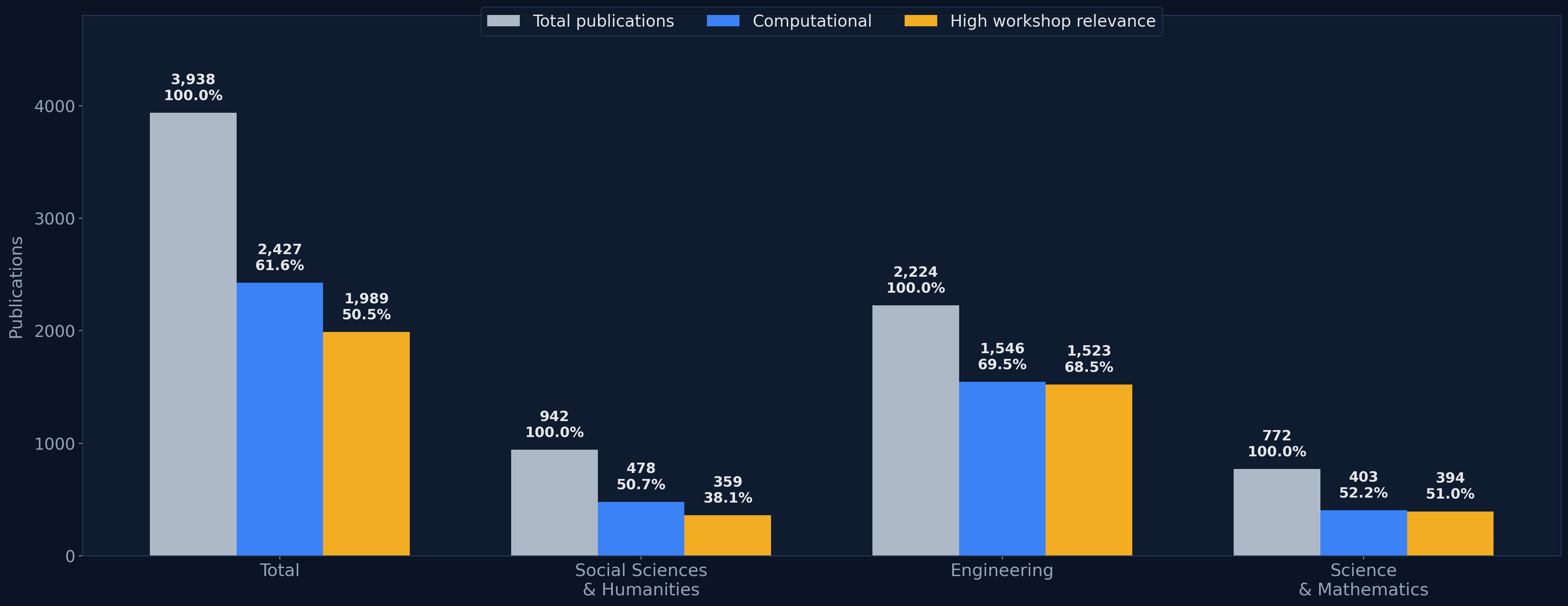
AUS publications LLM semantic classification

Publications analyzed: 2021-2026.

Publication summary totals
Section 2 - Research Opportunities
Page 7

The adoption gap is already visible in the current state

There is a large gap between research potential and current platform usage.

The adoption gap
Section 2 - Research Opportunities
Page 8

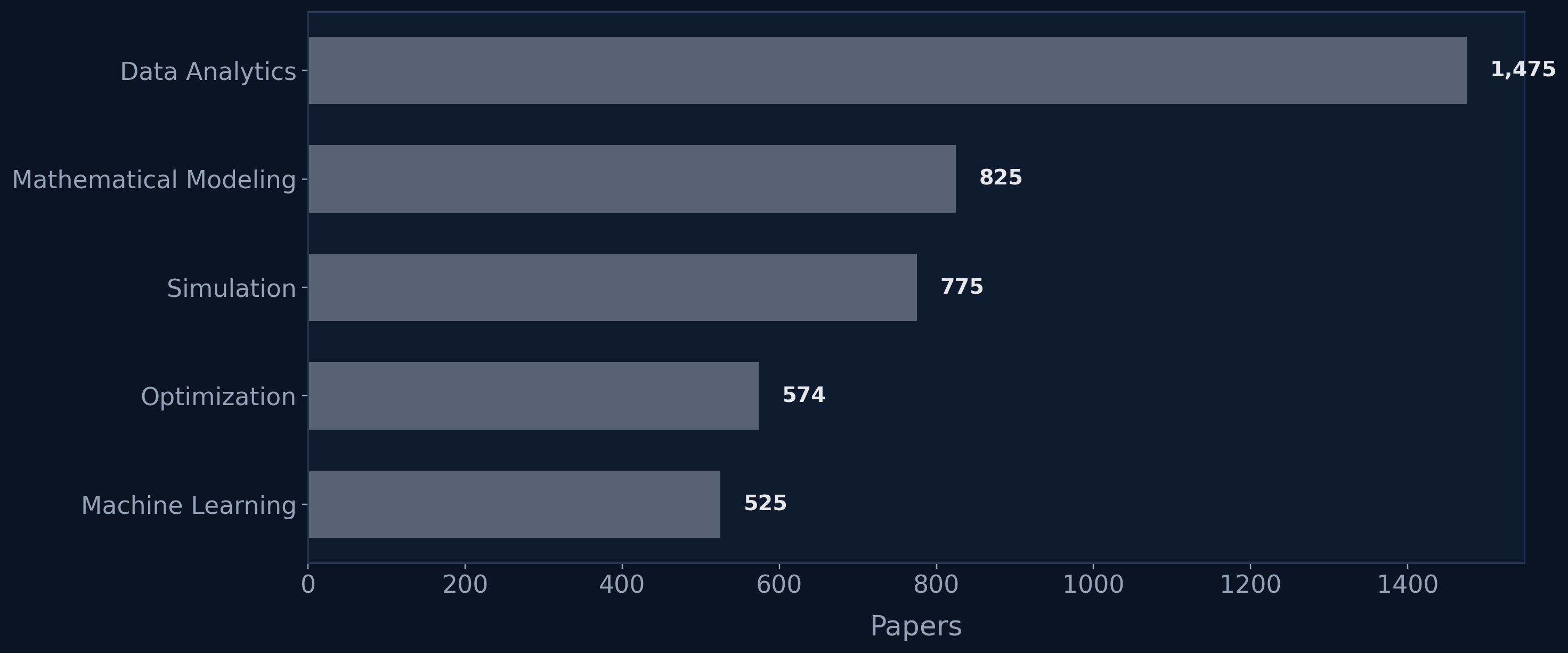
Recurring methods suggest repeatable workshop formats

The strongest methods can be turned into workshop tracks instead of generic AWS awareness sessions.

Top research methods
Section 3 - Workshop Design
Page 9

Suggested workshop ideas

A practical workshop menu aligned to common research workflows and user needs.

Workshop Target users Main goal What users learn
Move Your Script to AWS Python, R, MATLAB users Move one local script from laptop to AWS Connect to AWS, use /shared/username, avoid login-node execution, write a SLURM script, submit and monitor jobs
Survey Data Analysis on AWS Social science, education, business, psychology, psychometrics Clean and summarize survey data Upload CSV or Excel files, clean missing values, rename columns, summarize Likert-scale data, export tables
Large Dataset Processing Sensor, tabular, CSV, Excel, log, and experimental data users Process data that is too large or slow for a laptop Read large files, process data in chunks, filter records, calculate grouped statistics, monitor memory and runtime
Text Mining for Research Humanities, social science, education, policy, media, archival research Extract themes, keywords, and patterns from text Organize text files, clean text, extract keywords, count terms, cluster documents, create topic tables
Reproducible Research Workflow Any faculty member doing data-based research Build a reusable research project structure Separate raw data, clean data, scripts, jobs, outputs, and logs; document commands; rerun workflows
Section 3 - Workshop Design
Page 10
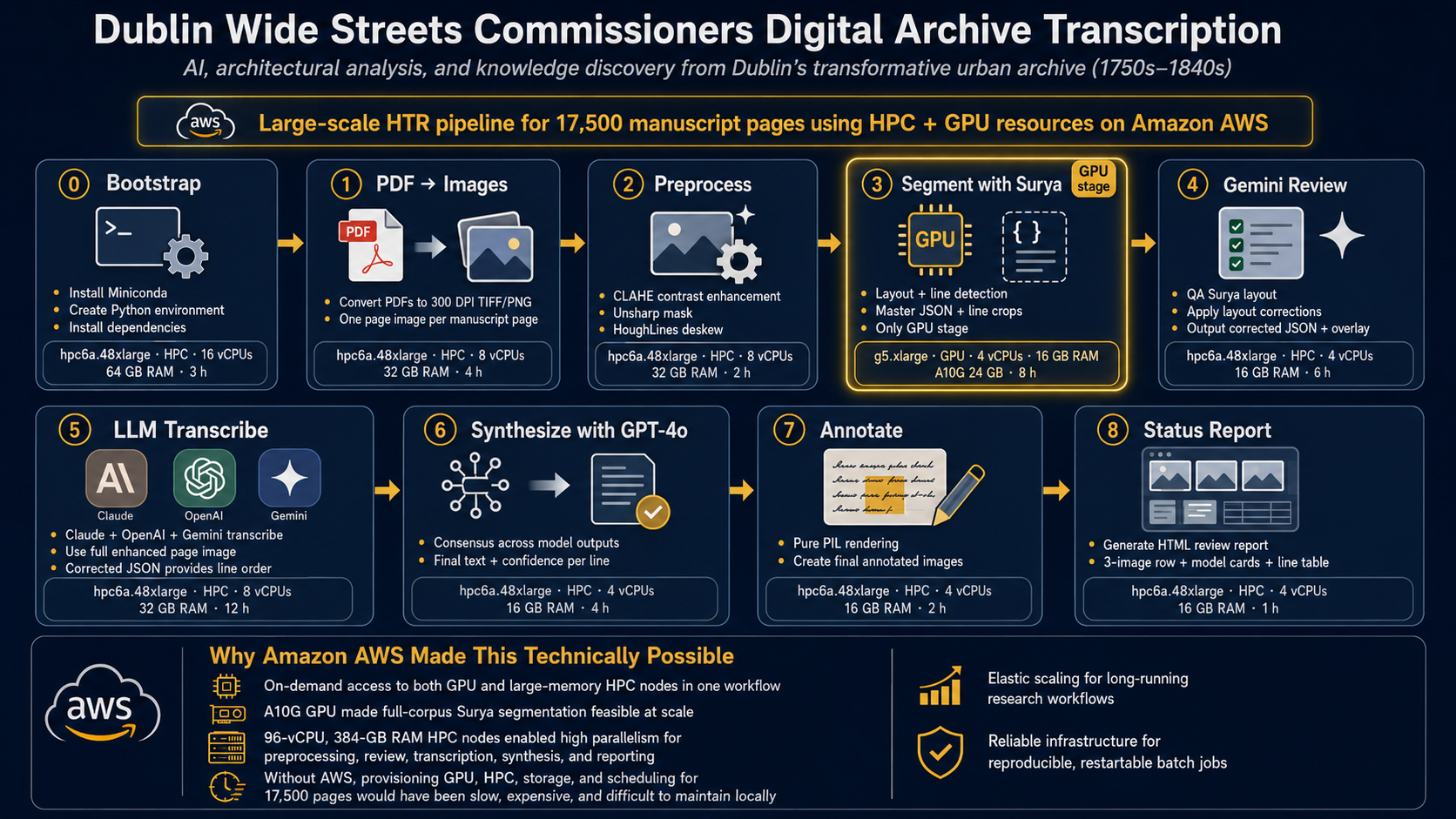
HTR showcase success story
Section 3 - Workshop Design
Page 11
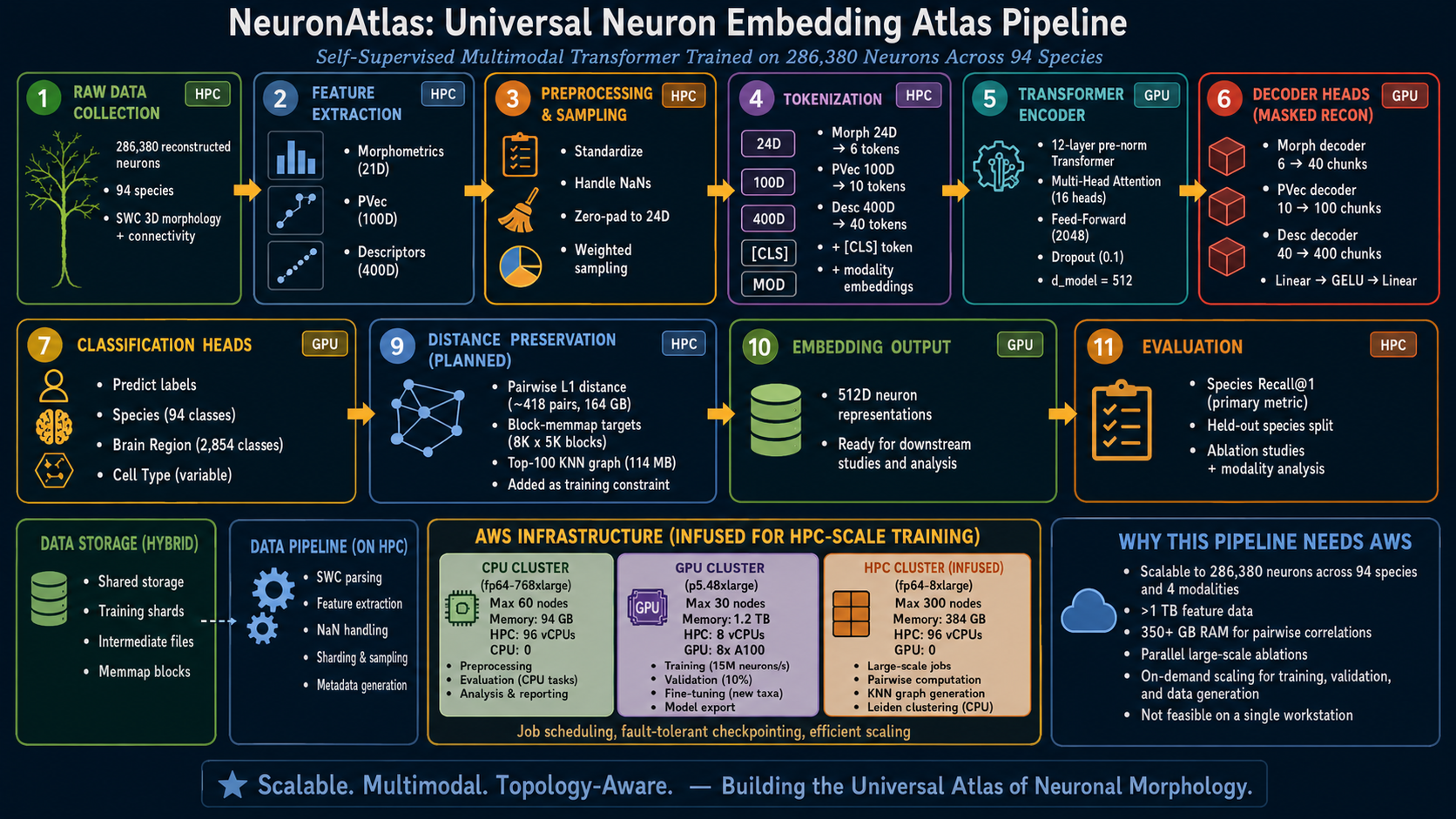
NeuronAtlas showcase success story